 11
11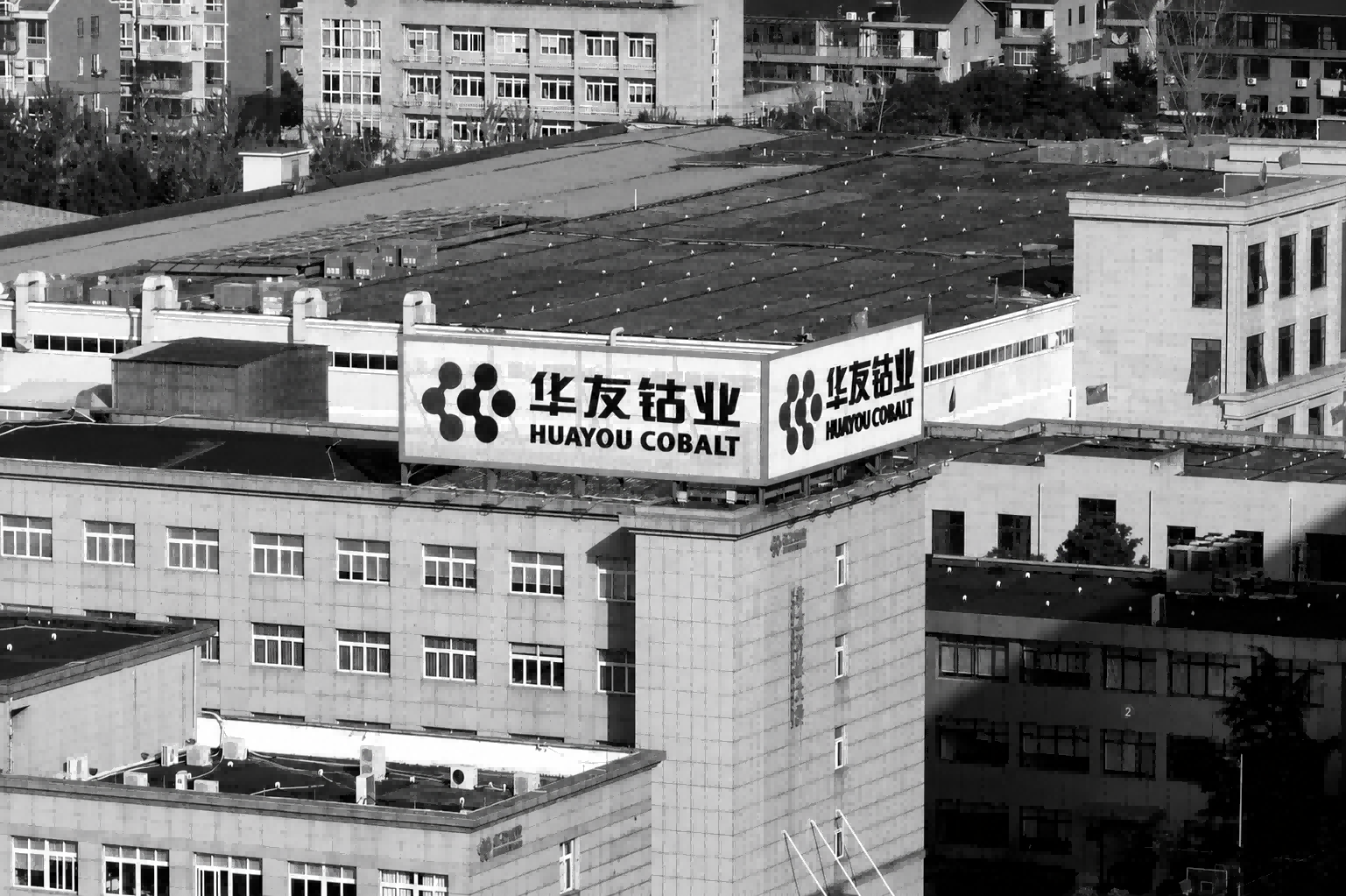
A recent report released by the U.S. House Select Committee on the Chinese Communist Party, titled China’s Minerals Mafia: A Global Pattern of Corruption, Environmental Destruction, and Human Rights Abuses, repeatedly names Huayou Cobalt. The report refers to the company in connection with cobalt supply chains in the Democratic Republic of the Congo (DRC), lithium projects in Zimbabwe, and related exposure to Indonesia’s nickel supply chain. The issues cited in the report span labor rights, community displacement, environmental pollution, resource depletion and mine safety, all of which carry ESG implications.
Child Labor, Mine Safety and Environmental Pollution Highlighted
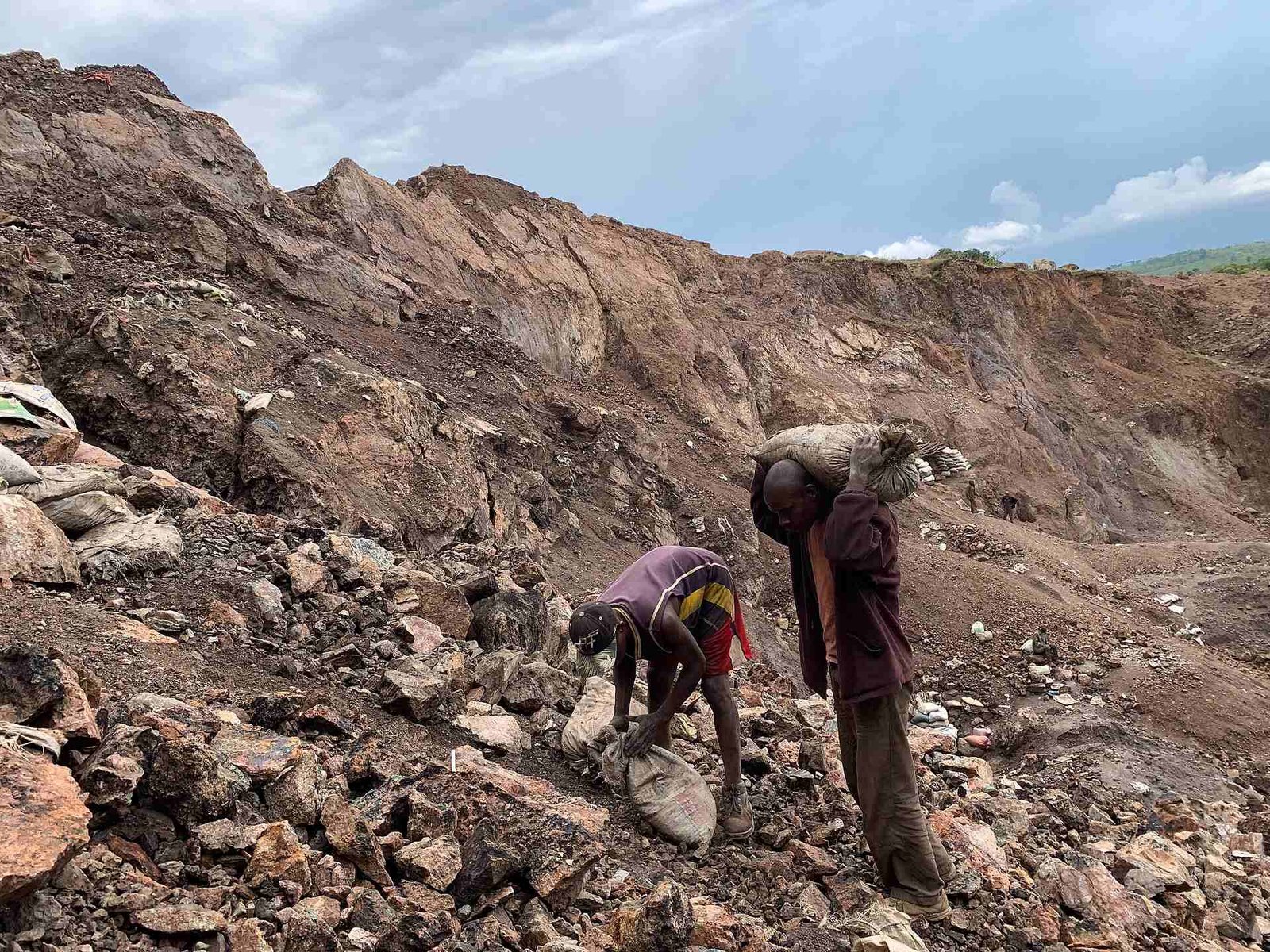
In its case study on child labor in DRC cobalt mines, the report lists Huayou Cobalt as the project owner and says the company obtains cobalt resources in the DRC through its subsidiary Congo Dongfang Mining (CDM). According to the report, Huayou Cobalt, a major Chinese battery-materials supplier, has been accused of purchasing cobalt from artisanal mines in the DRC, where child labor is reportedly widespread. Citing related investigations, the report says roughly 40,000 children work in mining areas in the DRC, some as young as seven, carrying out tasks such as digging narrow tunnels and washing ore without protective equipment.
The report also says CDM sources ore through traders, depots and artisanal mining complexes, and that it has been involved in converting residential areas into artisanal mining sites. The report notes that more than 550 households in the Kasulo neighborhood were reportedly displaced in 2017. It also says CDM was reportedly a major buyer from the Tilwezembe mine, where a collapse allegedly buried at least seven children alive. Survivors, according to the report, have suffered long-term health effects from toxic exposure, while some miners earn less than $2 per day and face extortion or debt bondage.
On environmental issues, the report says that in November 2025, a retaining wall at a CDM-owned site near Lubumbashi collapsed, releasing toxic acidic waste into nearby waterways. The incident reportedly killed fish and contaminated local water sources. The report presents this as an example of serious environmental risk within Huayou’s supply chain.
Beyond cobalt mining in the DRC, the report also mentions Huayou Cobalt in relation to Zimbabwe’s lithium sector. It says the Arcadia Lithium Project is 100% owned by Zhejiang Huayou Cobalt through Prospect Lithium Zimbabwe. The report also says Huayou and Tsingshan Holding Group are involved in building a lithium processing plant at the Sandawana Mine.
The report criticizes labor conditions and safety issues at the Arcadia project, saying workers lived in poor housing conditions and that two fatal accidents occurred at the mine in 2023.
In terms of resource and community impact, the report says several Chinese mines, including Arcadia, drilled boreholes deeper than local wells, causing villagers’ wells to dry up as water flowed toward mine facilities. It also says community observers and employees alleged that Prospect Lithium underreported lithium exports, undervalued high-grade lithium and concealed higher-quality lithium beneath lower-value ore. Because Arcadia is identified in the report as being owned by Huayou, these issues are included in the broader ESG controversy surrounding the company.
From E to S to G: Huayou’s Overseas Risks Under Scrutiny
Overall, the report’s criticism of Huayou Cobalt is not limited to a single mining incident. Rather, it points to risks across environmental responsibility, social responsibility and supply chain governance.
On the environmental side, the report cites the CDM retaining wall collapse that released toxic acidic waste into nearby waterways, reportedly causing fish deaths and water contamination. It also links Huayou’s Arcadia lithium mine to local resource depletion in Zimbabwe, saying multiple Chinese mines, including Arcadia, drilled deep boreholes that caused villagers’ wells to run dry. From an ESG perspective, these issues go beyond pollution control and touch on the long-term impact of mining activity on local water resources, ecosystems and community livelihoods.
On the social side, the report’s criticism of Huayou is more concentrated. The DRC cobalt case directly identifies Huayou Cobalt as the owner and says its subsidiary CDM sourced cobalt from artisanal mining systems associated with child labor. The report’s descriptions of child mining, unprotected ore washing, tunnel collapses, toxic exposure, low pay and debt bondage all point to supply chain human-rights risks. It also refers to the reported displacement of more than 550 households in Kasulo, poor housing conditions for Arcadia workers and fatal mine accidents. Taken together, these allegations raise pressure on Huayou over labor protection, community engagement and safety management across its overseas mining assets and supply chains.
On governance, the report focuses on supply chain transparency and compliance management by Huayou and its related entities. It says CDM sourced ore through traders, depots and artisanal mining complexes, enabling Huayou to absorb cobalt from underregulated mining sites while remaining structurally distanced from dangerous working conditions on the ground. In Zimbabwe, the report also cites allegations that Prospect Lithium underreported lithium exports, undervalued high-grade lithium and concealed higher-quality ore. While these claims still require responses from the company, local regulatory findings and further independent verification, the report is effectively questioning Huayou’s ability to exercise oversight over overseas subsidiaries, project companies, suppliers and intermediaries.
Conclusion: From Public Scrutiny to a Long-Term Competitiveness Test
The ESG controversy surrounding Huayou Cobalt is not merely a matter of being named by a U.S. congressional committee. If the issues cited in the report continue to gain attention, they could affect the company’s reputation in the global battery-materials supply chain, customer due diligence, financing access and overseas project compliance.
For a company deeply embedded in the new-energy supply chain, access to resources remains important. But the ability to prove mineral traceability, protect labor rights and manage environmental risks is increasingly becoming a key measure of long-term competitiveness in international markets.
It should be emphasized that the above information comes from the U.S. House Select Committee on the Chinese Communist Party report and the materials cited by that report. The allegations should still be assessed alongside Huayou Cobalt’s response, local regulatory findings and further third-party investigations. Based solely on the information presented in the report, however, Huayou Cobalt has emerged as one of the Chinese mining and battery-materials companies facing notable ESG risks.