 111
111 2
2 3
3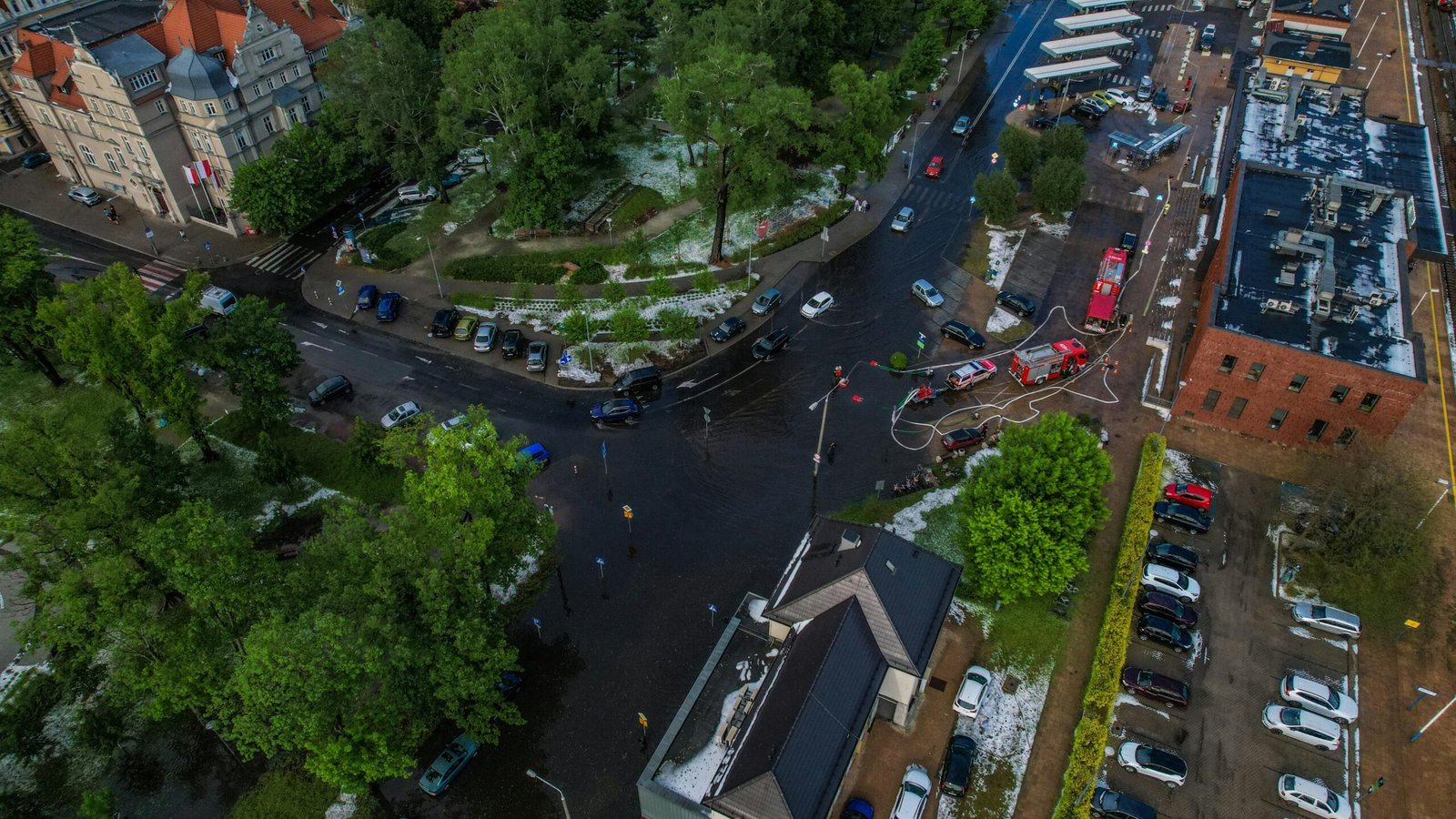
CDP’s latest analysis shows that extreme weather is no longer a distant climate scenario for boards, investors, and city leaders. It is already affecting the global economy by reducing production capacity, disrupting operations, and damaging corporate assets.
Among the 11,261 companies that disclosed full environmental data through CDP in 2025, only 35% identified extreme weather as a material financial risk. Yet these companies reported nearly $3 billion in actual losses from extreme weather during the year. Heavy rainfall was the largest single source of losses, accounting for $1.5 billion. Companies also reported $309 million in additional direct costs and $266 million in losses from operational shutdowns.
CDP says this points to a significant governance gap. Many companies still treat physical climate risk as episodic or localized, but the data suggests that extreme weather has become a present-day financial planning issue.
Looking ahead, companies expect extreme weather to generate up to $898 billion in financial impacts. Flooding represents the largest share, at $528 billion, followed by cyclones at $161 billion and heavy rainfall at $86 billion. Nearly half of the disclosed extreme weather risks are expected to materialize within the next two years, placing them directly within current investment, insurance, procurement, and operational planning cycles.
These projected losses are not limited to damaged buildings or isolated sites. Companies expect reduced production capacity to account for $326 billion in impacts, while asset impairment or early retirement could add another $218 billion. For investors, this shifts the discussion from climate ambition to asset quality. Physical climate risk can affect earnings, insurance access, supply chain reliability, and capital allocation. It may also expose weaknesses in corporate governance where boards have failed to integrate climate hazards into enterprise risk management systems.
CDP’s 2025 Disclosure Dividend report also found that the median cost of climate-related risks per company was $39.4 million, compared with only $3.1 million to mitigate those risks. In other words, the cost of mitigation is nearly thirteen times lower than the potential financial impact. This strengthens the financial case for adaptation investment. For companies with exposed assets or supply chains, climate resilience is no longer only an environmental issue; it is an operational, financial, and fiduciary responsibility.
The analysis also covers 1,005 cities, states, and regions across 80 countries. Among them, 62% said they are already significantly affected by extreme weather. More than 60% expect hazards such as extreme heat, urban flooding, and drought to increase in intensity, frequency, or both. More than 60% of local governments have at least one climate adaptation project requiring additional funding, and CDP estimates the global investment gap at no less than $34 billion.
CDP is calling on companies to treat extreme weather as a systemic business risk, rather than a risk confined to individual assets. This means assessing corporate dependence on infrastructure, utilities, logistics, and public services. Regulators and central banks should also take note: physical climate risk is entering financial systems through uninsured losses, stranded assets, and disruptions to economic activity. The global adaptation agenda is no longer only a climate priority; it is becoming a core test of economic resilience.