 11
11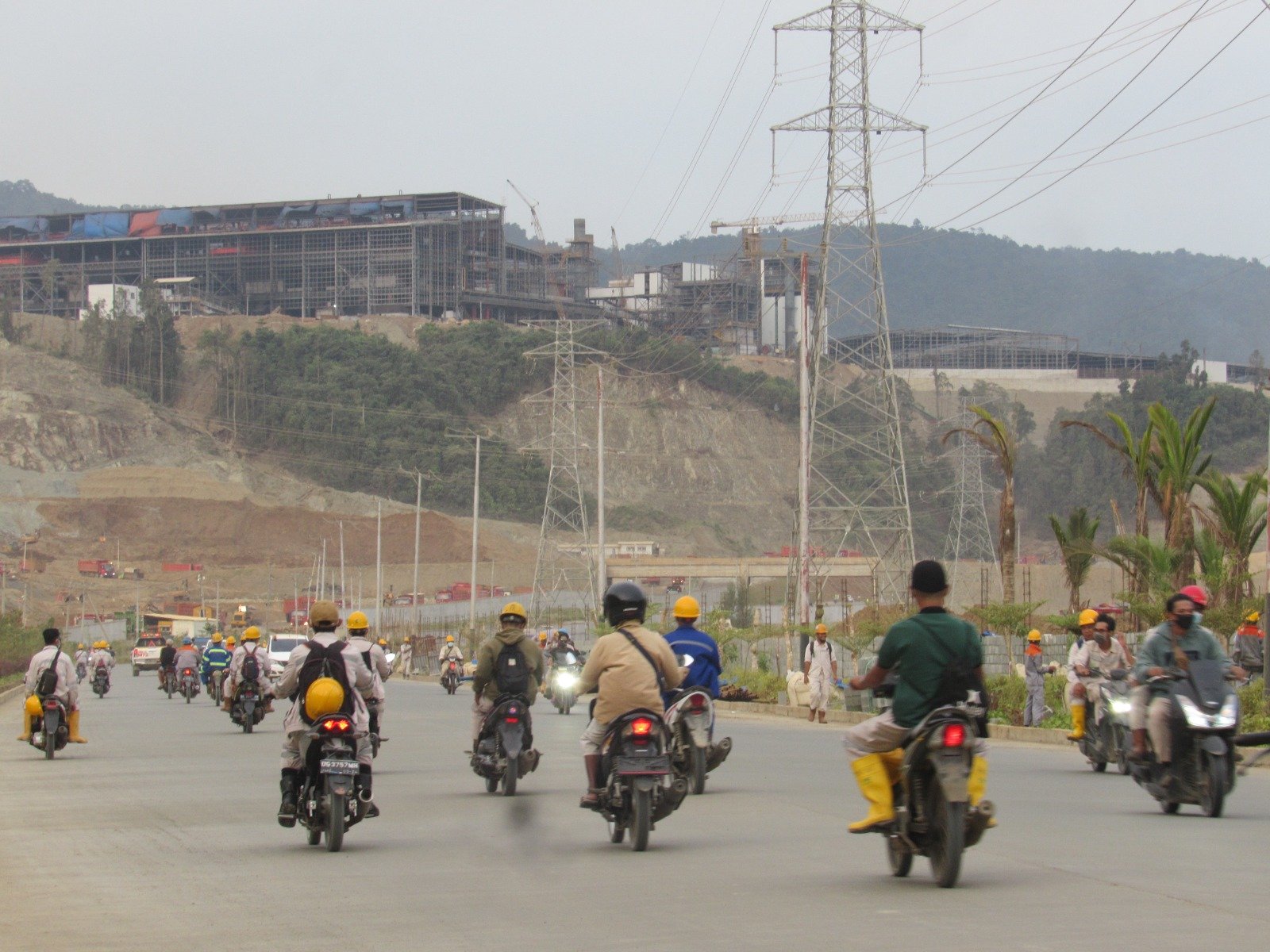
Aktivitas buruh tambang dan hilir mudik kendaraan di kawasan PT IWIP. Foto: Galim Umabaihi
In June 2026, the Business & Human Rights Resource Centre (BHRRC) drew attention to serious allegations concerning labour and occupational health and safety conditions at the Indonesia Weda Bay Industrial Park (IWIP), a major nickel industrial complex in Central Halmahera, Indonesia. Citing a December 2025 report by the Indonesian organisation Sembada Bersama Indonesia, BHRRC highlighted claims of worker fatalities, suicides and workplace accidents at the site.
According to the Sembada Bersama report, 15 suicides and two attempts were recorded between 2021 and early 2026, while 31 workers died in workplace accidents between 2018 and early 2026. The report further alleged that some workers performed 12-hour shifts while exposed to dust, noise and high temperatures linked to smelting operations.
IWIP is a joint venture involving Zhejiang Huayou Cobalt Co. Ltd., Zhenshi Holding Group and Tsingshan Holding Group, with Zhejiang Huayou holding a 30 percent ownership stake. The park forms a significant part of Indonesia’s nickel downstreaming strategy and sits within global supply chains that feed the electric-vehicle battery industry.
In a separate December 2025 investigation based on interviews with IWIP workers, BHRRC reported that employees commonly worked around 60 hours per week on rotating day and night shifts. The Centre noted that this schedule exceeded both Indonesian labour standards and international recommendations. Interviewees described health concerns including headaches, sleep difficulties and fatigue, and shared accounts of sudden deaths among younger workers. Female workers additionally reported long working hours, night shifts, health-related problems, limited opportunities for restroom breaks during periods of high production, and experiences of gender-based harassment.
These findings raise important questions about the human cost of rapid industrial expansion in the critical minerals sector. Nickel is essential to the energy transition, yet the pattern of extreme working hours, hazardous exposures and reported premature deaths outlined in the reports sits uneasily with claims of responsible or “green” production. The absence of public responses from the major investors—Tsingshan, Zhenshi and Huayou Cobalt—when contacted by BHRRC leaves key questions unanswered about working conditions, safety systems and accountability mechanisms at the park.
A transparent and independent examination of occupational health and safety practices at IWIP would help clarify the scale of the problems and identify necessary improvements. Until the companies engage meaningfully with the allegations and demonstrate effective due diligence, concerns about the social sustainability of nickel production at Weda Bay are likely to persist.