 111
111 2
2 3
3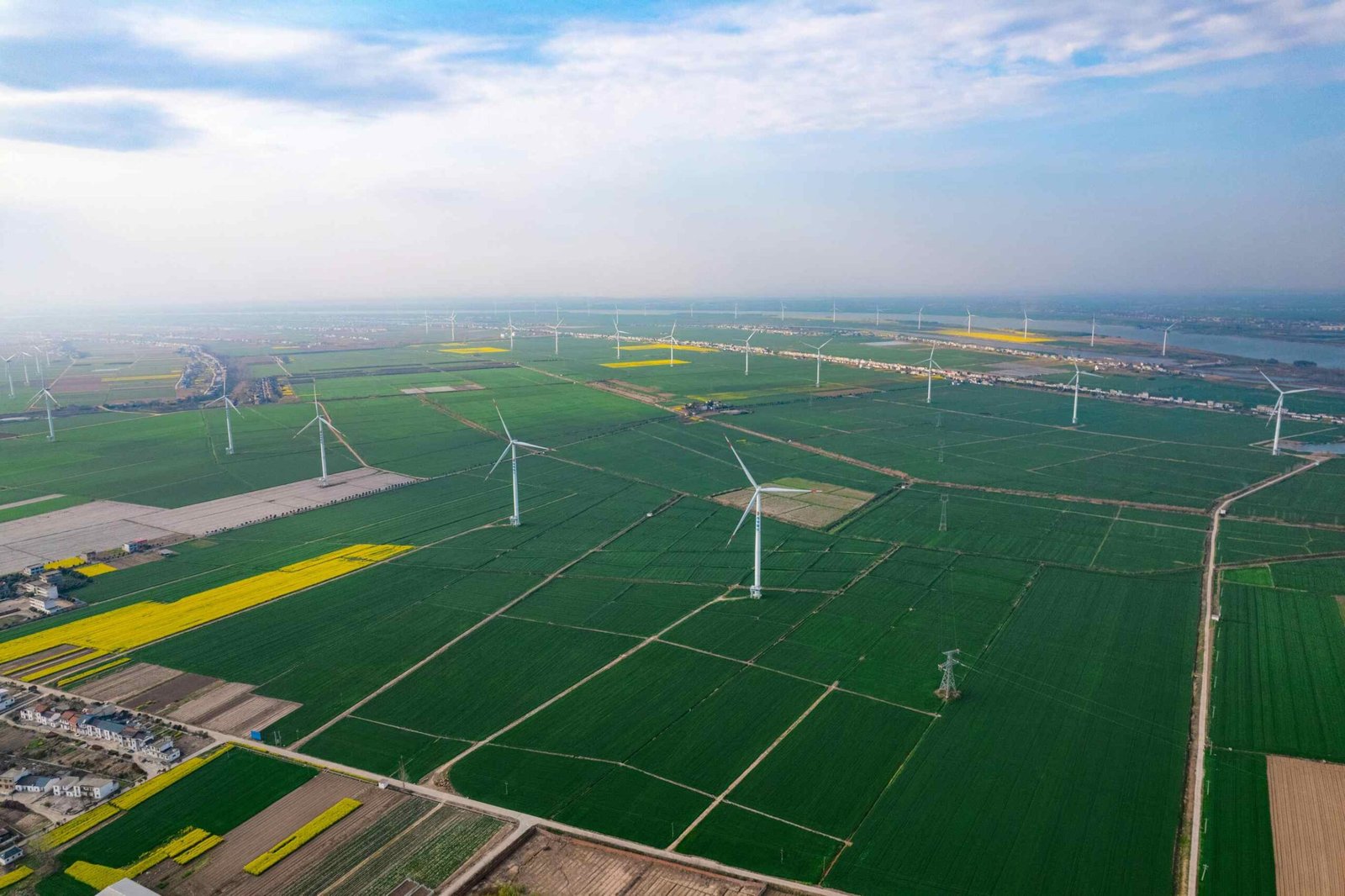
China’s energy industry is using a more measurable approach to describe its green transition, grouping recent progress into three practical “accounts”: green production, ecological improvement and carbon reduction. The framework was highlighted by Xinhua on 5 June 2026, China’s National Environment Day, under the theme of comprehensive green transformation and building a beautiful China.
The approach is significant because it moves the discussion beyond general sustainability slogans. Each account focuses on quantifiable industrial outcomes: cleaner power production, ecological restoration linked to major projects, and specific carbon-reduction measures such as green hydrogen, carbon capture, utilization and storage, waste heat recovery and resource recycling.
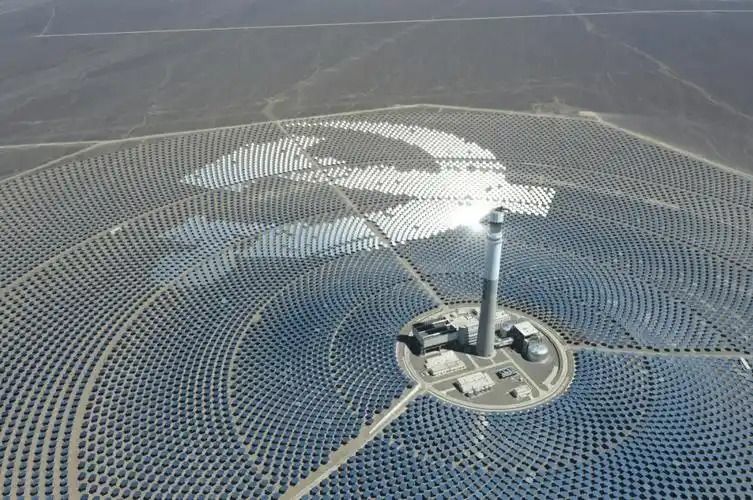
The first account is green production. Xinhua reported that China’s energy sector is expanding clean electricity supply through large-scale wind, solar, nuclear and storage projects, while also promoting cleaner processes in traditional energy industries. In the northwest desert, Gobi and sandy regions, large renewable energy bases are becoming important sources of clean power.
China Huadian is one example. According to Xinhua, Huadian New Energy disclosed in its official first-quarter 2026 financial report that its wind and solar power generation reached 29.912 billion kilowatt-hours during the quarter, while newly grid-connected wind and solar capacity exceeded 3.11 million kilowatts. Supporting storage facilities are being developed to improve local consumption of renewable power and convert desert resources into stable green electricity output.
Oil and gas companies are also using green electricity in production processes. Xinhua reported that, by May 2026, PetroChina’s Daqing Oilfield had generated more than 3 billion kilowatt-hours from integrated wind and solar projects, with the clean power used locally for core processes such as oil extraction and water injection. Sinopec’s Kuqa green hydrogen project in Xinjiang, described by Xinhua as China’s first large-scale photovoltaic hydrogen production project, is designed to produce 20,000 tonnes of green hydrogen annually and reduce CO2 emissions by 485,000 tonnes per year by replacing natural gas-based hydrogen production.
The second account is ecological improvement. Here, the focus is on whether major energy and infrastructure projects can quantify their ecological costs and restoration benefits. One example is the Qinling section of the West-East Gas Pipeline Route 3, led by PipeChina. Xinhua reported that the project allocated RMB 3 billion for ecological governance, optimized the pipeline route 11 times to avoid 12 ecologically sensitive areas, and used tunnel boring machine equipment instead of traditional blasting in the Shangshan Tunnel. The report said this reduced construction noise by 70% and dust by more than 80%, while 62.7% of construction spoil was reused on site. Across the project, 3.11 million seedlings were planted and vegetation recovery reached 96.21%.
Coal mining regions are also part of the ecological account. At the Bulianta mining subsidence area, a “photovoltaic plus ecological planting and breeding” model has been developed, including a 500,000-kilowatt photovoltaic base with annual power generation of about 900 million kilowatt-hours. In the Heidaigou open-pit mining area, Xinhua reported that vegetation coverage increased from less than 25% in the early development period to more than 85% after more than four decades of ecological restoration, with more than 76 million seedlings planted and over 240 native species now present in the area.
The third account is carbon reduction. This category translates decarbonization measures into verifiable data across the energy value chain. China Huadian’s Damao Banner wind-solar hydrogen demonstration project in Inner Mongolia, with a capacity of 200,000 kilowatts, was put into operation at the end of 2023. Xinhua reported that the project is designed to produce 7,800 tonnes of green hydrogen per year and reduce carbon emissions by 430,000 tonnes annually through green hydrogen substitution. A planned million-kilowatt-level wind-solar-hydrogen-storage project is expected to produce up to 47,000 tonnes of hydrogen annually after completion.
CCUS is also becoming part of the carbon-reduction toolkit. Xinhua said PetroChina’s group-wide CCUS projects stored 1.899 million tonnes of CO2 in 2024. It also reported that Sinopec’s Qilu Petrochemical-Shengli Oilfield million-tonne CCUS project, described as China’s first full-chain carbon storage project, had stored more than 2 million tonnes of CO2 by October 2025.
Other low-carbon technologies are being deployed in energy infrastructure. PipeChina has introduced energy-saving and carbon-reduction technologies across its network, including virtual power plant projects for natural gas pipelines, waste heat power generation at seven compressor stations on its western pipeline system, and a 340,000-kilowatt photovoltaic project in Jinghe, Xinjiang. Xinhua reported that the Jinghe “pastoral-solar complementary” project was connected to the grid in 2025 and is expected to reduce CO2 emissions by 488,000 tonnes per year.
For ESG observers, China’s “three accounts” framework is useful because it connects industrial transition with data-based performance. It shows that green development is being measured not only by installed renewable capacity, but also by grid integration, production substitution, ecological restoration, waste reuse, water recycling and verified carbon-reduction outcomes.
The challenge is consistency. As more companies disclose green production, ecological and carbon-reduction data, investors and stakeholders will need comparable metrics, clear boundaries and credible verification. But the direction is clear: China’s energy transition is increasingly being presented through measurable operational accounts rather than broad policy language alone.