 11
11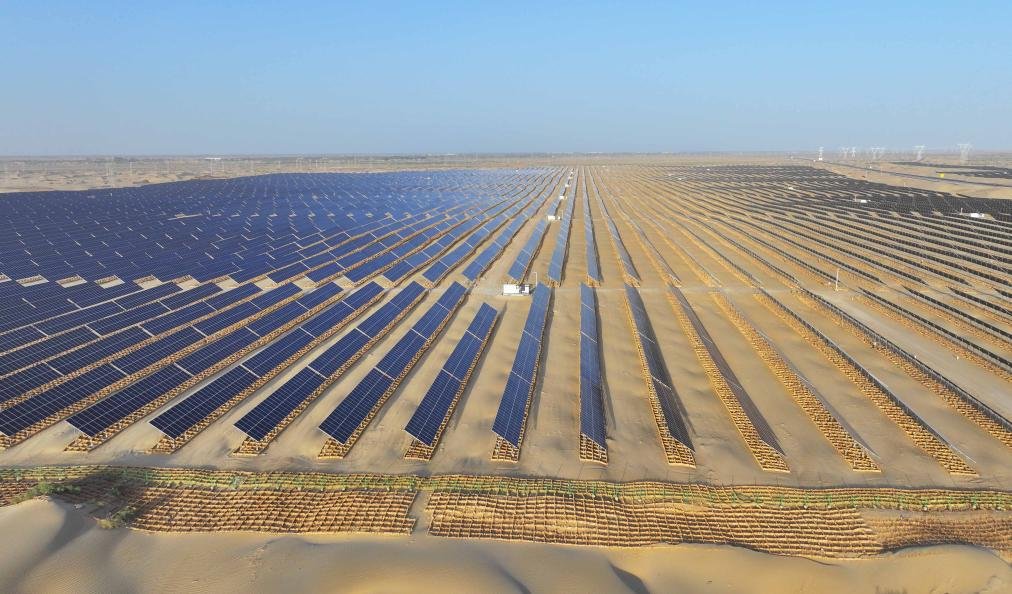
Photo:Xinhua
Northwest China is emerging as a major destination for artificial intelligence computing, as abundant renewable energy, lower land costs and cooler weather help reduce the high operating expenses of data centers.
In Hami, a city in Xinjiang Uygur Autonomous Region, computing facilities such as the Tianshan Smart Valley Advanced Computing Cluster are attracting telecom operators, cloud service providers and technology companies. Local officials say interest has grown rapidly this year, with companies frequently visiting for cooperation talks.
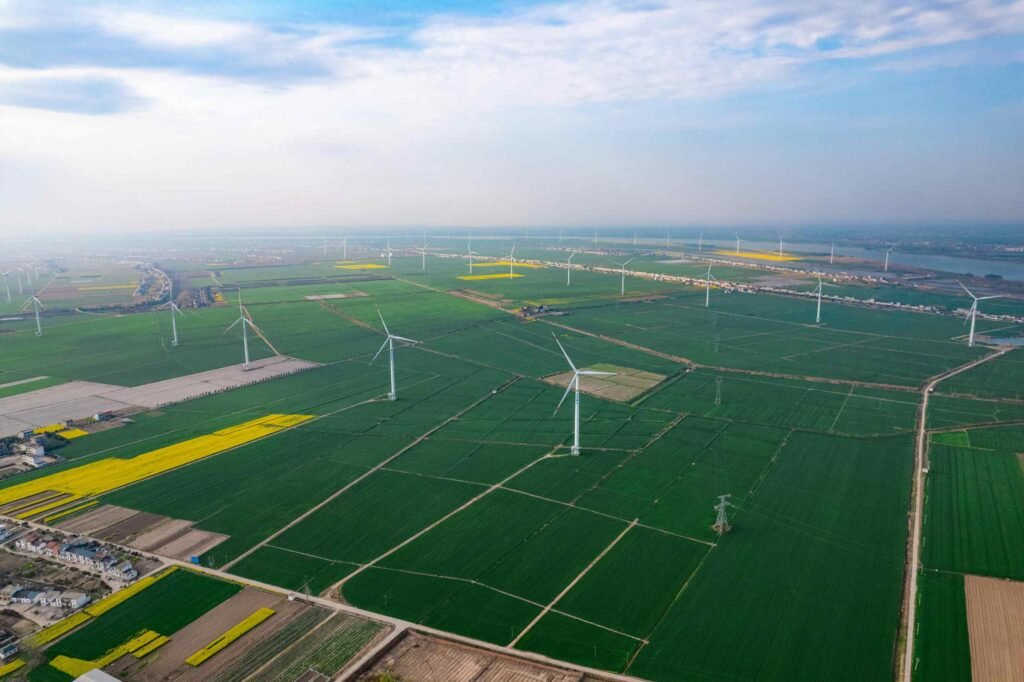
The shift is being driven by AI’s rising demand for electricity. Xinjiang and nearby provinces such as Gansu have large solar and wind resources, allowing computing operators to access lower-cost green power. According to the report, green electricity in Xinjiang costs about one-third of industrial power prices in coastal regions, while operating costs for computing firms in Hami can be more than 40 percent lower than in eastern China.
Gansu’s Qingyang has also become a key computing hub. A local branch of China Mobile said cost savings there can reach 4 million yuan, or about 585,000 U.S. dollars, per month. By 2025, more than 500 AI-related firms had been established in Qingyang, generating 1.28 billion U.S. dollars in revenue, local authorities said.
Policy support is also accelerating the trend. China has been promoting the transfer of data processing from densely populated eastern regions to the energy-rich west. In 2026, the idea of closer coordination between computing power and electricity supply was included in the central government work report. Authorities have also set a 2030 goal to improve clean energy supply security for AI computing facilities and expand AI use in the energy sector.
Improved networks are helping address distance-related concerns. Latency between Qingyang and major eastern cities such as Beijing and Shanghai has reportedly been reduced to under 15 milliseconds, making western computing centers more practical for many AI workloads.
The region is also looking beyond China. Xinjiang-based computing facilities are expected to support data processing needs in Central Asia, including satellite remote sensing, agriculture and energy infrastructure monitoring. For example, AI-supported satellite monitoring could help detect problems along the China-Kazakhstan oil pipelines more quickly.
Challenges remain. Not all digital services can move west, especially those requiring extremely low latency, such as online gaming, autonomous driving and telemedicine. Hami also faces shortages of skilled workers and weaker infrastructure compared with coastal technology centers.
Even so, industry expectations remain strong. A Morgan Stanley report cited by Xinhua projected that data centers in China’s remote regions would contribute 2.4 gigawatts of new orders in 2026 and 3.3 gigawatts in 2027, accounting for about 70 percent of new orders.
As global AI development puts pressure on power grids, northwest China is positioning itself as a lower-cost and greener computing base, turning its energy resources into a new driver of digital growth.