Spanish Energy Giant Moeve Finalizes $1.2 Billion Green Hydrogen Investment, Launching Southern Europe’s Largest 300 MW Project
- €1 Billion Final Investment Decision Secured: 300 MW green hydrogen plant approved with over €300 million in EU subsidy support.
- Multinational Strategic Alliance Formed: Partnership with Masdar and Enalter positions Spain as Southern Europe’s hydrogen hub.
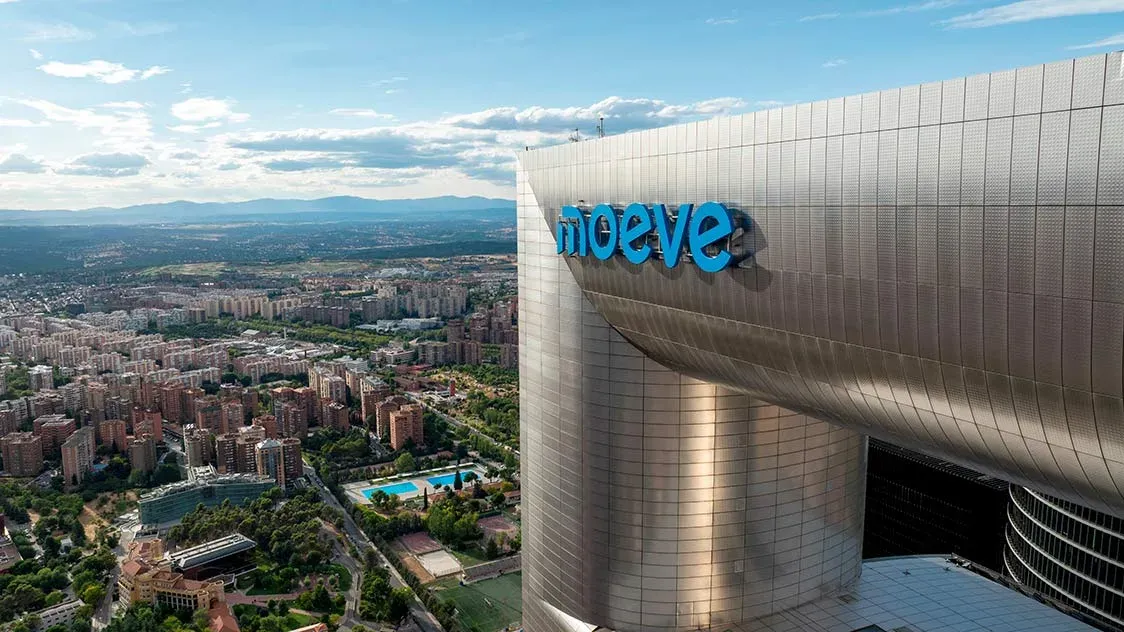
Spanish energy company Moeve has officially announced a commitment of more than €1 billion (approximately $1.2 billion) to the first phase of its Andalusian Green Hydrogen Valley project, marking a decisive step forward in Europe’s push for large-scale industrial green hydrogen production.
The company has taken the Final Investment Decision (FID) to build a 300 MW electrolyser facility in southern Spain, with potential expansion by an additional 100 MW once grid conditions allow and board approval is granted. Upon full operation, it will rank as the largest green hydrogen project in Southern Europe.
The initiative is backed by more than €300 million in EU subsidies, perfectly aligned with Brussels’ industrial decarbonization roadmap and its goal of reducing dependence on imported fossil fuels.
Capital Structure and International Partnership
Moeve will hold 51% of the project equity, with Abu Dhabi renewable energy firm Masdar and Spanish renewable energy company Enalter sharing the remaining stake.
This ownership structure highlights the deepening integration of Gulf capital and European expertise in hydrogen infrastructure. Moeve itself is jointly controlled by Abu Dhabi sovereign fund Mubadala and U.S. private equity leader Carlyle, providing the project with robust international financial backing.
Last week, Moeve secured grid connection rights in Spain and will pair the facility with a dedicated solar power plant to supplement supply and further improve the project’s overall carbon intensity profile. Grid access has emerged as the primary bottleneck for hydrogen developments across Europe, making this approval particularly timely and strategic.
For policymakers in Madrid and Brussels, the project significantly strengthens Spain’s position as a major renewable energy exporter. Andalusia’s abundant solar resources and advanced port infrastructure create a natural corridor for exporting hydrogen derivatives such as ammonia to Northern European markets.
Corporate Transformation Strategy
This major investment forms a core pillar of Moeve’s €8 billion transformation roadmap. Originally known as Cepsa, the company rebranded to Moeve in 2024 to signal its full strategic pivot toward low-carbon businesses. Since 2022, it has divested most of its upstream oil assets—including operations in Abu Dhabi and South America—redirecting capital at scale into renewables, biofuels, and hydrogen.
Financially, the transformation is supported by sharply improved profitability. Last year’s net profit rose from €92 million in 2024 to €341 million, generating strong internal cash flow to fund large-scale transition projects.
At the same time, Moeve is engaged in non-binding discussions with Portuguese energy company Galp to explore the integration of their refining, chemicals, and fuel retail businesses. Chief Financial Officer Carmen de Pablo revealed during the 2025 results conference call that due diligence is underway, with the aim of reaching a final agreement by mid-2026.
Integrating downstream operations is expected to unlock additional capital while enhancing the resilience of traditional businesses during the transition period.
Geopolitical and Risk Assessment
Addressing geopolitical risks, de Pablo stated that the recent escalation of conflict in Iran has not had any direct impact on the company’s operations, though it remains premature to fully assess potential indirect effects. She emphasized that Moeve neither purchases Iranian crude nor holds any assets in the region.
For investors, this “risk insulation” is highly significant. While European energy companies have limited direct exposure to specific conflict zones, they remain vulnerable to volatility in global supply chains and shipping routes.
Executive Insights
For industry executives and infrastructure investors, the Andalusian Green Hydrogen Valley project clearly illustrates the three key forces shaping Europe’s energy transition:
- Public funding remains a powerful catalyst: The EU’s subsidy of over €300 million substantially de-risks early-stage hydrogen investments that would otherwise struggle to meet required returns.
- Gulf sovereign capital is accelerating into Europe: Middle Eastern funds continue to deepen their role in European clean energy infrastructure, combining climate commitments with long-term portfolio diversification.
- Grid access has become the decisive competitive edge: Connection permits are now as critical as electrolyser technology itself and represent the scarcest strategic asset in hydrogen project pipelines.
If delivered on schedule, the project will further solidify Spain’s role as an anchor in Europe’s emerging hydrogen economy. More broadly, it exemplifies a clear pattern across the continent: traditional oil and gas majors are rapidly redeploying capital from fossil fuels into industrial decarbonization, reshaping their balance sheets and Europe’s overall energy architecture in the process.