EU Carbon Border Adjustment Mechanism (CBAM) Takes Effect: Global First Carbon Tax on Imports Raises Concerns Over Impact on Indian Exports
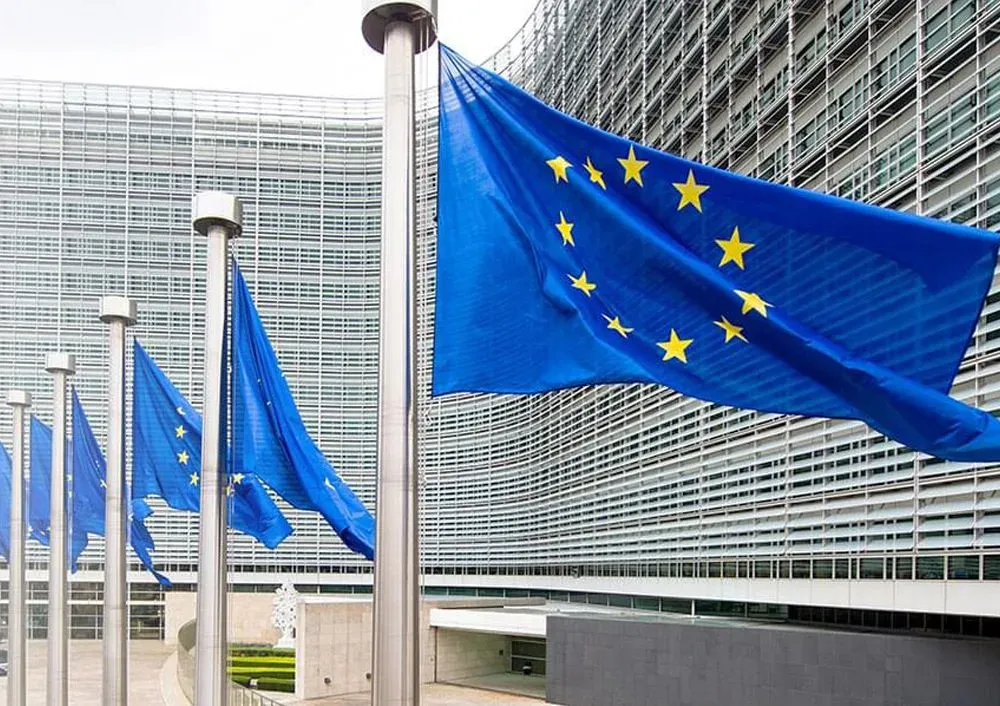
As of January 1, 2026, the European Union has officially implemented its Carbon Border Adjustment Mechanism (CBAM), marking the world's first carbon tax applied to imported goods. This mechanism imposes additional charges on carbon-intensive products—such as steel and aluminum—entering the EU market, with the primary goal of creating a level playing field between EU-based producers and foreign exporters while encouraging the adoption of cleaner production practices worldwide. However, the policy has promptly sparked strong criticism from developing countries, including India, which argue that CBAM may contravene the established international environmental principle of "common but differentiated responsibilities" and could be viewed as a form of disguised trade protectionism.
According to analyses from reports by organizations such as the Global Trade Research Initiative (GTRI), although the CBAM duties are nominally paid by EU importers, the actual economic burden will be passed on to Indian exporters through lower purchase prices, stricter contract terms, and more rigorous supplier screening criteria. This could compel Indian steel and aluminum exporters to reduce prices by 15% to 22% in order to help EU buyers offset the new carbon costs and maintain market competitiveness. Small and medium-sized enterprises (MSMEs) in particular will face greater challenges due to the heavier burdens of compliance reporting and data verification—if they fail to provide independently verified plant-level emissions data, EU authorities may apply default emission values that are often 30% to 80% higher than actual emissions, further driving up costs.
As CBAM enters its payment phase (although formal certificate surrender begins in 2027, carbon costs have been factored into procurement decisions starting with the first shipments in 2026), India's metal exports to the EU are expected to experience sustained pricing pressure. Unless enterprises quickly improve the accuracy of emissions reporting, invest in low-carbon technologies, and secure mitigating measures through trade negotiations with the EU, their export competitiveness may be further eroded. Data indicates that even during the transitional period, Indian steel and aluminum exports to the EU have already declined by approximately 24%, foreshadowing potentially greater impacts following full implementation.
This mechanism not only tests the capacity of Indian industry for green transformation but also highlights the evolving trend of global trade rules shifting toward climate-oriented frameworks. The Indian government has formally expressed its concerns to the EU and called for equitable solutions within multilateral frameworks to prevent developing countries from bearing a disproportionate share of the emissions reduction burden. In the long term, CBAM may drive Indian companies to accelerate the adoption of renewable energy, enhance energy efficiency, and develop cleaner production processes, thereby shifting toward more sustainable competitive advantages in the international market.