ESG Edge Editorial:The Coca Codo Sinclair Scandal: A Textbook Failure of Governance and Green Ambition
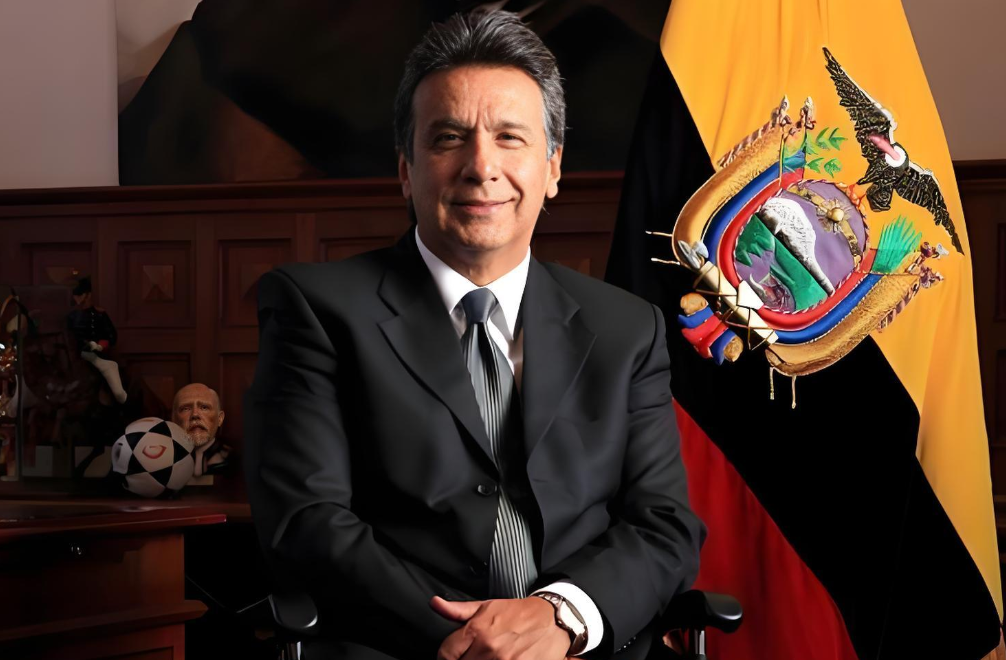
The decision by an Ecuadorian judge to send former President Lenín Moreno to trial for alleged bribery in the Sinohydro–Coca Codo Sinclair case is not merely another chapter in the country’s endless cycle of political vendettas. It is the latest, and perhaps most damning, indictment of a project that was sold to the world as Ecuador’s great leap into clean energy and has instead become one of Latin America’s most costly symbols of corruption married to environmental negligence.
The numbers alone are staggering: a 1,500 MW hydroelectric plant built at a cost of more than $2.2 billion (85 % financed by China Ex-Im Bank), allegedly lubricated by at least $76 million in bribes, and now plagued by more than 17,000 structural cracks, chronic sedimentation, and the literal disappearance of the iconic San Rafael waterfall in 2022. What was inaugurated with fanfare by Rafael Correa in 2016 has, less than a decade later, turned into a stranded asset that operates well below capacity and poses a permanent risk of catastrophic failure.
From a governance perspective, the case exposes every classic pathology of large-scale infrastructure corruption in the region: opaque contracting, political interference in technical decisions, absent third-party oversight, and a financing model in which the lender (a Chinese policy bankhad little incentive to enforce anti-bribery safeguards. That Sinohydro (today part of PowerChina) is reported to have paid kickbacks equivalent to 3–4 % of the contract value aligns depressingly well with Transparency International’s long-standing estimates for major Latin American public works.
Yet the damage extends far beyond ledgers and courtrooms. Coca Codo Sinclair has inflicted demonstrable, and in some cases irreversible, environmental harm: thousands of hectares of primary Amazon rainforest cleared, endangered aquatic species disrupted, and a river ecosystem fundamentally altered by poor siting near an active volcano. The collapse of San Rafael, once Ecuador’s tallest waterfall and a major tourism draw, stands as a tragic monument to hydrological hubris.
Socially, over 1,200 families were displaced, many without compensation meeting even minimal international standards. Indigenous Kichwa and Shuar communities lost traditional fishing grounds and saw drinking-water sources contaminated. Seven workers died during construction under circumstances that were never properly investigated.
For global investors tracking environmental, social and governance (ESG) criteria, the project has become a case study in value destruction. Major rating agencies have downgraded Ecuador’s sovereign governance scores partly on the back of persistent scandals linked to Chinese financing. PowerChina and other Belt and Road contractors now carry a clear reputational risk premium in Latin America; several multilateral lenders and European development finance institutions have restricted or blacklisted the company outright.
The politicization of the prosecutionMoreno cries“revenge”by Correísmo while pointing out that neither Correa nor Jorge Glas (both already convicted in unrelated bribery cases) are defendants in this specific fileonly deepens public cynicism. Selective justice, whoever the target, ultimately protects no one except the next generation of corrupt officials.
Fifteen years after ground was broken, Ecuador is left with a half-functional plant, billions in debt, a devastated landscape, and yet another wound to institutional trust. Coca Codo Sinclair was meant to be proof that resource-rich nations could leapfrog to renewable energy with the help of ambitious Southern partners. Instead, it has become powerful evidence that without rigorous governance, transparency and respect for environmental and social safeguards,“green”infrastructure can be among the most destructive investments of all.
The trial of Lenín Moreno and his co-defendants will not repair the cracks in the dam nor bring back San Rafael waterfall. But it could, if conducted with impartiality and transparency, mark a turning point: a recognition that the true cost of corruption is measured not only in dollars diverted, but in ecosystems ruined, communities uprooted, and a nation’s sustainable future mortgaged for short-term political gain.