China’s 2026–2030 Development Plan: Vigorously Advancing Clean Energy and Optimizing the Energy System
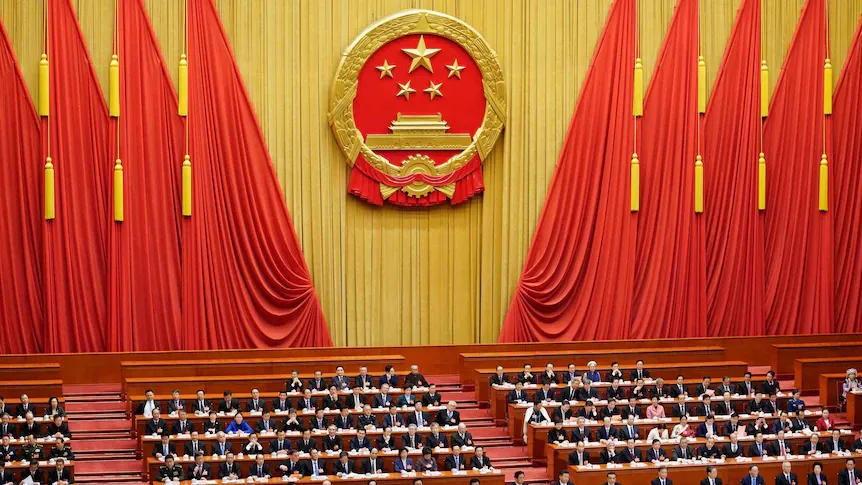
Recently, China released the draft outline of its 15th Five-Year Plan (2026–2030), which sets out the country’s energy development strategy for the next five years. The plan places clean energy development in a prominent position while emphasizing the harmonious integration of steady energy structure optimization and high-quality economic growth, reflecting a pragmatic and forward-looking policy vision.
In terms of carbon emission intensity control, the plan proposes to reduce the carbon dioxide emission intensity per unit of GDP by approximately 17% between 2026 and 2030. This target takes into full account the current stage of economic development, the existing energy consumption structure, and the potential for technological progress. It aims to achieve a steady decline in carbon intensity through continuous industrial upgrading and efficiency improvements, thereby laying a solid foundation for long-term low-carbon transformation.
The plan also clearly calls for vigorously promoting the large-scale development of non-fossil energy sources and has introduced a series of specific and robust measures. These include adding around 100 GW of pumped-storage capacity, increasing offshore wind power installed capacity to over 100 GW, and accelerating the construction of multiple large-scale renewable energy bases. These initiatives will not only substantially enhance clean energy supply capabilities but also provide strong support for safeguarding national energy security and promoting balanced regional development, contributing to a more diversified and reliable energy supply system.
Regarding fossil energy policies, the plan proposes to facilitate the gradual peaking of coal and oil consumption while placing strong emphasis on improving the clean and efficient utilization of fossil fuels. This policy approach demonstrates both continuity and flexibility in the energy transition process—ensuring stable and reliable energy supply while creating favorable conditions for the ongoing optimization of the energy mix. By enhancing clean utilization standards, environmental impacts can be progressively reduced while meeting development needs, offering a smooth transition pathway for the green upgrading of related industries.
One of the plan’s core tasks is to accelerate the development of a “new-type power system.” To this end, significant efforts will be devoted to expanding energy storage facilities, smart grid infrastructure, and long-distance transmission lines, while actively promoting the establishment of inter-provincial electricity trading markets. These important measures will effectively improve the grid’s ability to accommodate large-scale wind and solar power, achieve coordinated complementarity among different power sources, and ensure the safe and stable operation of the electricity system.
Furthermore, nuclear power, recognized as a stable and reliable source of clean energy, will continue to expand in an orderly manner in coastal regions, with installed capacity expected to reach approximately 110 GW by 2030. Hydrogen energy has also been assigned a significant role; the plan stresses the need to accelerate hydrogen infrastructure development and positions it as a key instrument for advancing industrial decarbonization, transportation energy transformation, and overall energy system flexibility.
In the realm of low-carbon transformation in industry and transportation, the plan introduces a series of innovative policy frameworks. Notably, the development of zero-carbon industrial parks stands out as a key initiative. This model integrates direct renewable electricity supply with green hydrogen applications to provide low-carbon energy solutions for energy-intensive manufacturing sectors such as steel and chemicals. At the same time, the creation of zero-carbon transportation corridors will establish fast-charging and battery-swapping networks along major logistics routes, effectively accelerating the electrification of freight transport. These measures will not only help continuously lower emission intensity in key sectors but will also stimulate green technological innovation and the robust growth of related industrial chains.
To enhance the green standards of investment projects at the source, the plan mandates that all new fixed-asset investment projects undergo rigorous energy conservation reviews and carbon emission assessments prior to approval. This institutional requirement will help channel capital more effectively toward low-carbon and high-efficiency areas, promoting the continuous optimization and upgrading of the industrial structure in a green and low-carbon direction.
The plan also advocates for the steady phase-out of outdated production capacity and explores mechanisms for sharing carbon quotas and fiscal benefits among regions during certain industrial relocation processes. This design embodies the principle of equitable transition and will support different regions in achieving mutual benefits and win-win outcomes throughout the green development process as they work together toward sustainable development goals.
Overall, this Five-Year Plan positions the clean energy industry as a major engine driving economic growth and technological innovation. Through large-scale investments in renewable energy, advanced energy storage, smart grids, and cutting-edge technologies such as hydrogen energy and nuclear fusion, China is accelerating the construction of a clean, efficient, and intelligent modern energy system. This will not only provide strong support for achieving the long-term goals of carbon peaking and carbon neutrality but will also offer valuable practical experience for the global green energy transition.
For investors and industry participants both at home and abroad, the plan sends a clear policy signal: strategic emerging industries—including clean energy, energy storage, smart grids, green hydrogen, and electric transportation—will continue to receive robust policy support and infrastructure investment, positioning them as the most dynamic and promising sectors over the next five years.
As these policies and measures are steadily implemented, China is expected to steadily increase the proportion of clean energy in its energy mix while ensuring energy security and stable economic growth, thereby making ever-greater contributions to global sustainable development and climate change mitigation efforts.