 11
11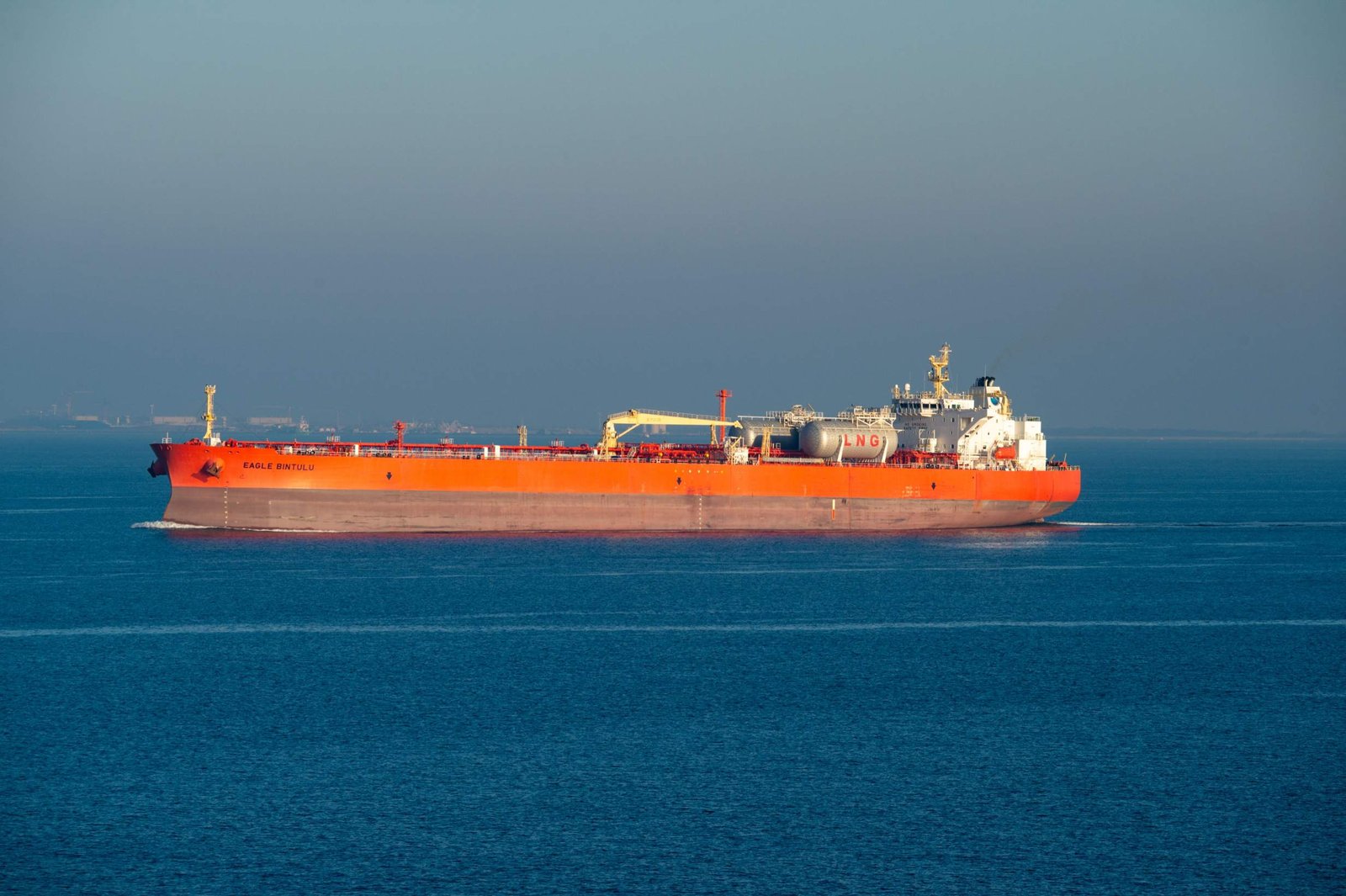
New Zealand is pushing ahead with plans to develop a liquefied natural gas import facility, aiming to strengthen energy security and help ease electricity costs, Energy Minister Simeon Brown said on Tuesday.
The proposed LNG terminal is expected to begin operating by 2028. Brown said the facility would help the country manage “dry-year” risks, when low hydro lake levels reduce electricity generation capacity. According to the minister, the project could lower wholesale power prices and deliver annual savings of up to NZ$800 million, or about US$465 million.
Brown said recent tensions in the Middle East underscored the need for New Zealand to diversify its fuel supplies. He described LNG as the fastest, lowest-cost and most flexible option available this decade to support the electricity system during periods of tight supply.
The government has shortlisted two providers for the next stage of procurement and is developing a funding model. Brown said the government has ruled out placing levies on household power bills to fund the project.
In a related move, the government has opened consultation on a proposed winter energy reliability obligation. The measure would require major electricity companies and large energy users to secure backup supply before potential shortages, with stronger penalties for failing to comply.
The plan has drawn criticism from opposition parties, including Labour and the Greens. They argue that relying on imported gas could expose New Zealand to volatile global prices and uncertain long-term costs. They have urged the government to focus more heavily on domestic renewable energy, warning that the LNG project could become a costly commitment without clearer funding arrangements or stronger economic justification.